Start by clarifying the type of bolts your project requires. Focus on two key factors:
- Load capacity: Confirm the weight and force the bolts must withstand.
- Material properties: Prioritize strength and corrosion resistance based on use cases:
- Outdoor/wet environments: Choose stainless steel (rust-resistant, high strength).
- Indoor applications: Opt for carbon steel (cost-effective, multiple strength options).
- High heat/chemical scenarios: Use specialty alloys (durability in extreme conditions).
Tip: Align fasteners with your project’s load and stress demands to extend service life and ensure safety.
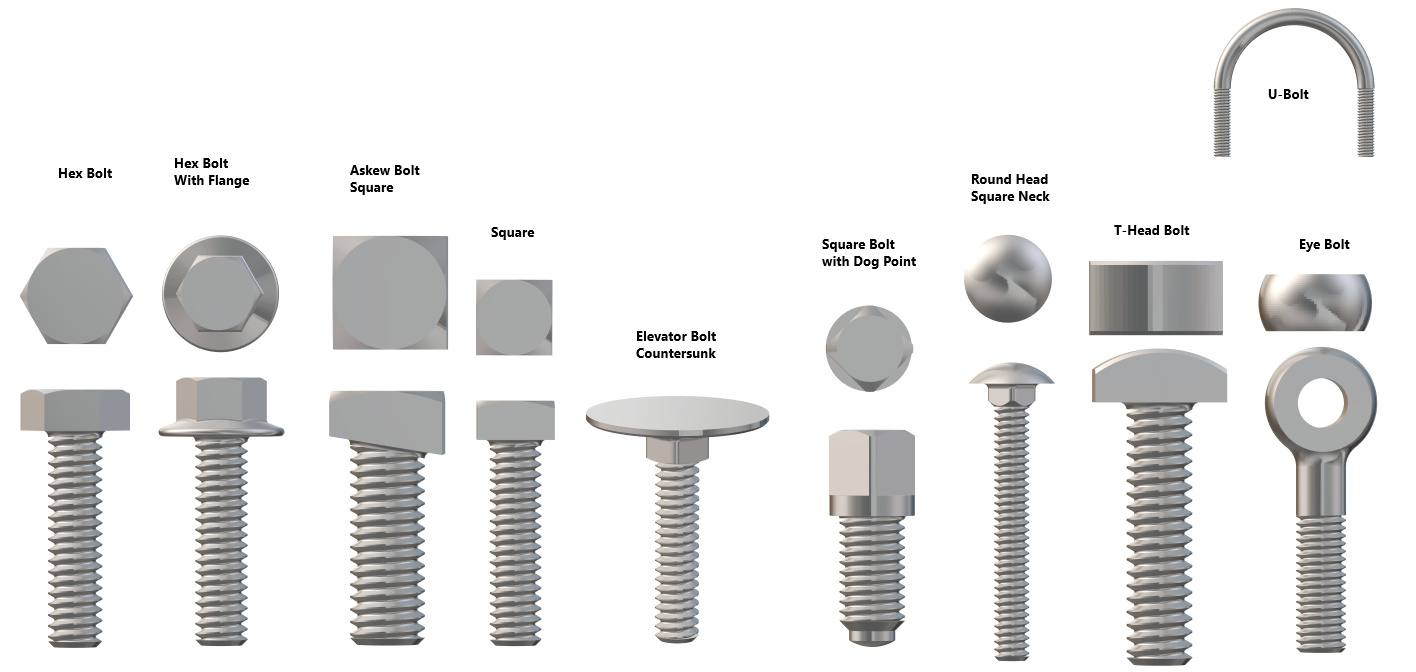
When picking bolts, evaluate these critical elements:
- Operating temperature range
- Environmental corrosion risk
- Impact of vibration and fatigue
- Required fastener type
- Necessary load capacity
- Specific environmental conditions
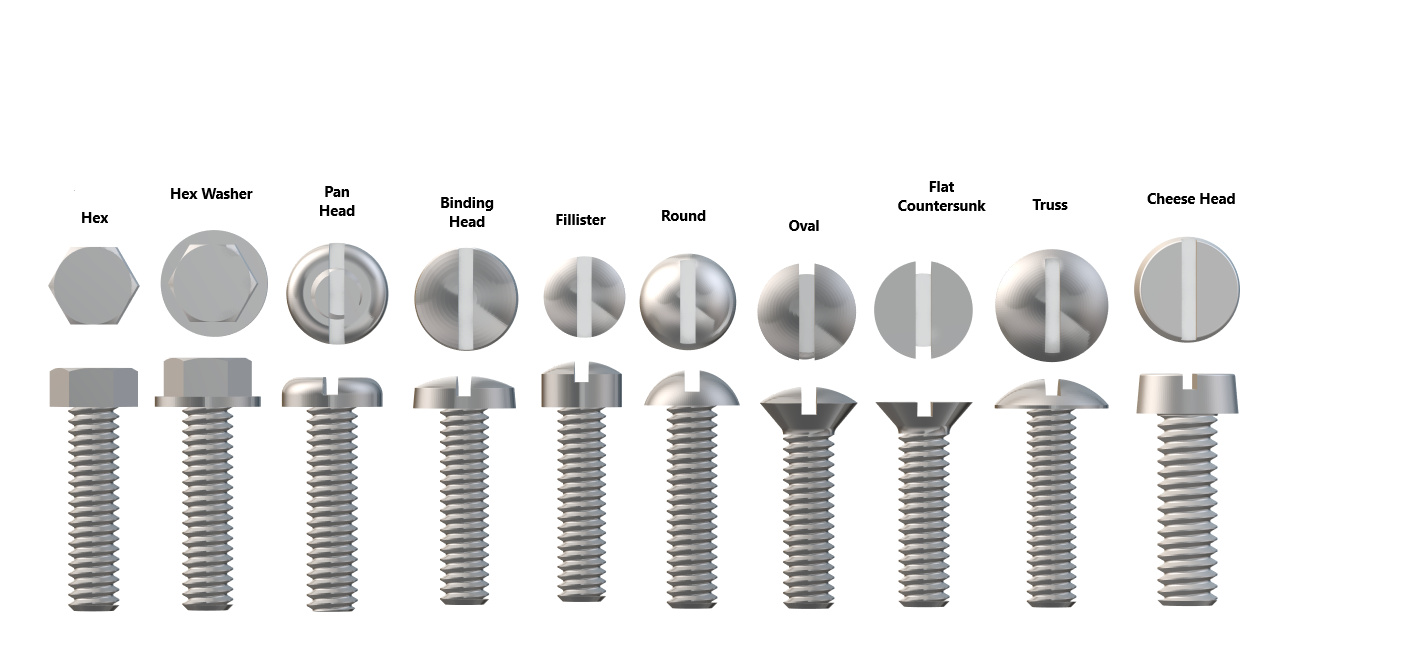
Different environments impact bolts differently—select materials accordingly:
Always factor in the environment first—it prevents issues like rust, breakage, or strength loss.
No single bolt material works for all projects. Use the guidance above to make choices, and consult an expert for specialized projects. Remember: Choosing the right bolts directly boosts your project’s durability and safety.
-
What’s the best bolt material for outdoor use?Stainless steel (for most outdoor jobs) or silicon bronze (ideal for marine/coastal areas)—both resist rust in wet/salty air.
-
Can I mix different metals for bolts and nuts?Mixing metals may cause galvanic corrosion, weakening fasteners. Use the same metal when possible; if mixing, add insulating washers to prevent corrosion.
-
Why do some bolts need coatings?Coatings (e.g., zinc, PTFE) protect bolts from rust and wear, extending lifespan—especially in damp or harsh environments.
-
Are aluminum bolts strong enough for heavy loads?Aluminum bolts are lightweight and rust-resistant but not ideal for heavy loads. Use them for light-duty projects where weight is more critical than strength.
-
How to choose bolts for electrical work?Opt for brass or copper alloy bolts—they conduct electricity well and resist corrosion, making them suitable for switches, connectors, and other electrical components.